Avoid These Common Mistakes During Tax Filing Season
BF
Understanding Common Tax Filing Mistakes
As tax filing season approaches, many individuals find themselves navigating a complex web of forms, deductions, and regulations. It's crucial to be aware of common errors to avoid unnecessary stress and potential penalties. By understanding these pitfalls, you can ensure a smoother filing process and maximize your return.
Missing or Incorrect Information
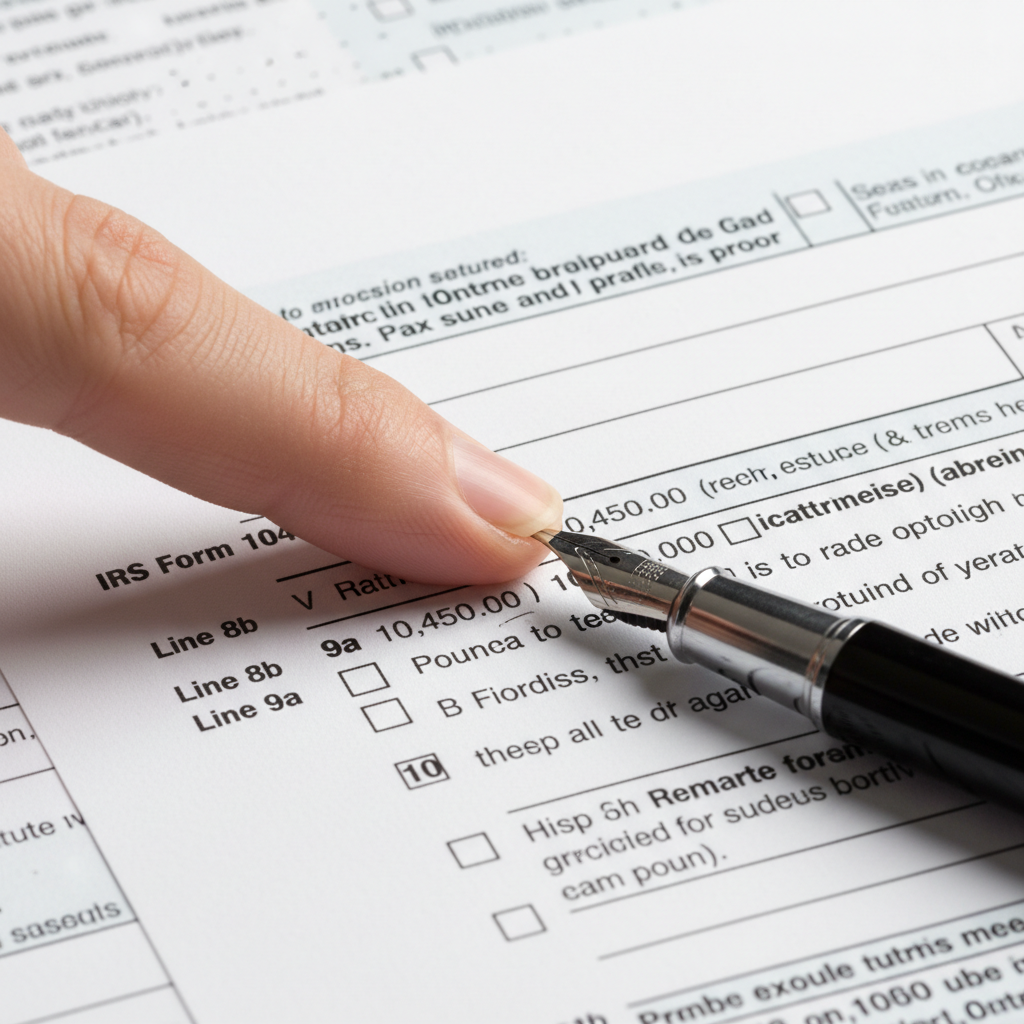
One of the most frequent mistakes is submitting forms with missing or incorrect information. Ensure that your Social Security number, address, and other personal details are accurate. Errors in these areas can lead to processing delays or rejected returns.
Additionally, verify that all figures are correct, especially when reporting income. Double-check W-2s and 1099 forms for accuracy. Even minor discrepancies can cause significant issues with your filing.
Overlooking Deductions and Credits
Many taxpayers miss out on valuable deductions and credits simply because they are unaware of them. Commonly overlooked deductions include student loan interest, medical expenses, and home office costs. Take time to research or consult a tax professional to ensure you're maximizing your potential deductions.

Similarly, tax credits like the Earned Income Tax Credit (EITC) can significantly reduce your tax liability. Make sure you meet the eligibility criteria and include these credits in your filing.
Filing Status Errors
Choosing the correct filing status is crucial, as it affects your tax rate and eligibility for certain deductions and credits. Common statuses include single, married filing jointly, and head of household. Ensure you select the status that best fits your situation to avoid paying more than necessary.
Ignoring the Deadline
Missing the tax filing deadline can lead to penalties and interest charges. Mark the deadline on your calendar and consider filing early to avoid the last-minute rush. If you anticipate needing more time, file for an extension well in advance of the deadline.
Remember, an extension to file is not an extension to pay. Ensure any owed taxes are paid by the original deadline to avoid additional fees.
Not Keeping Proper Records
Maintaining organized financial records is essential for accurate tax filing. Keep receipts, bank statements, and relevant documents for at least three years in case of an audit. Proper documentation can support any claims you make on your return.
By avoiding these common mistakes, you can reduce stress and ensure a more efficient tax filing process. Take the time to double-check your work, stay informed about changes in tax law, and seek professional advice if needed.