
Digital Bookkeeping for Startups: A Guide for Manitoba Entrepreneurs
BF
Introduction to Digital Bookkeeping
In today’s fast-paced business environment, keeping track of your finances efficiently is crucial for success. For startups in Manitoba, embracing digital bookkeeping is an excellent way to streamline operations and ensure accuracy. This guide will walk you through the essentials of digital bookkeeping and its benefits for your new business.

Why Digital Bookkeeping?
The transition from traditional to digital bookkeeping offers numerous advantages. First and foremost, it enhances accuracy by minimizing human error. Manual data entry can lead to mistakes, but digital systems automate many processes, reducing the risk dramatically.
Additionally, digital bookkeeping provides instant access to financial data. Whether you’re at the office or on the go, you can monitor your finances in real time, making informed decisions quickly. This accessibility is crucial for startups, where time and accuracy are of the essence.
Cost-Effectiveness
For Manitoba entrepreneurs on a tight budget, digital bookkeeping can be a cost-effective solution. By reducing the need for physical storage and paperwork, you can save money on office supplies and space. Moreover, many digital solutions offer scalable packages, allowing you to pay only for what you need as your business grows.

Choosing the Right Software
When selecting a digital bookkeeping solution, consider your business’s specific needs. Look for software that offers features tailored to your industry. Start by identifying essential functionalities such as invoicing, expense tracking, and payroll management.
Another important aspect is user-friendliness. Choose software that is easy to navigate, ensuring that you and your team can adopt it with minimal training. Many solutions also offer integration with other tools you might already be using, like CRM systems or e-commerce platforms.
Security and Compliance
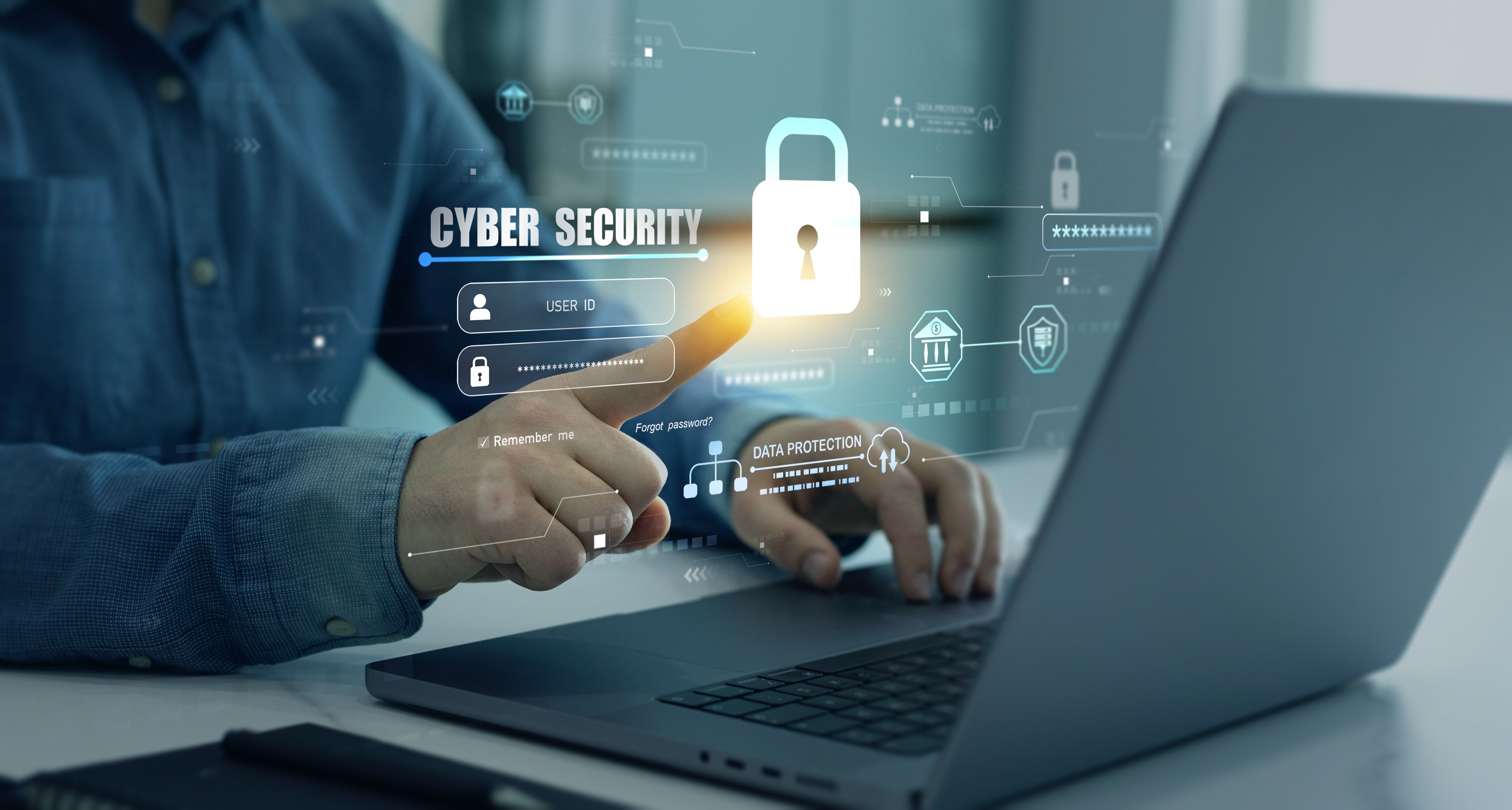
Security is paramount when handling financial data. Ensure that your chosen software complies with Canadian data protection regulations and offers robust security features such as encryption and two-factor authentication. Protecting your clients’ and your business’s data should always be a top priority.
Implementing Digital Bookkeeping
Once you’ve chosen the right software, it’s time to implement it. Start by digitizing your existing financial records. This might involve scanning documents or uploading data from spreadsheets. Make sure to set up automated processes like bank feeds and recurring invoices to save time.
Training your team is crucial to ensure a smooth transition. Provide adequate training sessions and resources, so everyone is comfortable with the new system. Encourage your staff to explore the software’s features to maximize its potential.
Monitoring and Adjusting
After implementation, regularly monitor the system’s performance. Look for areas where you can improve efficiency or where additional features might be beneficial. As your startup grows, your bookkeeping needs will evolve, so remain flexible and open to adjustments.

Conclusion
Digital bookkeeping is a powerful tool for startups in Manitoba, offering accuracy, flexibility, and cost savings. By choosing the right software and implementing it effectively, you can set a solid foundation for your business’s financial health. Embrace the digital revolution and empower your startup to thrive in the competitive market.