How to Prepare Your SMB for Tax Season in Winnipeg
BF
Understand Your Tax Obligations
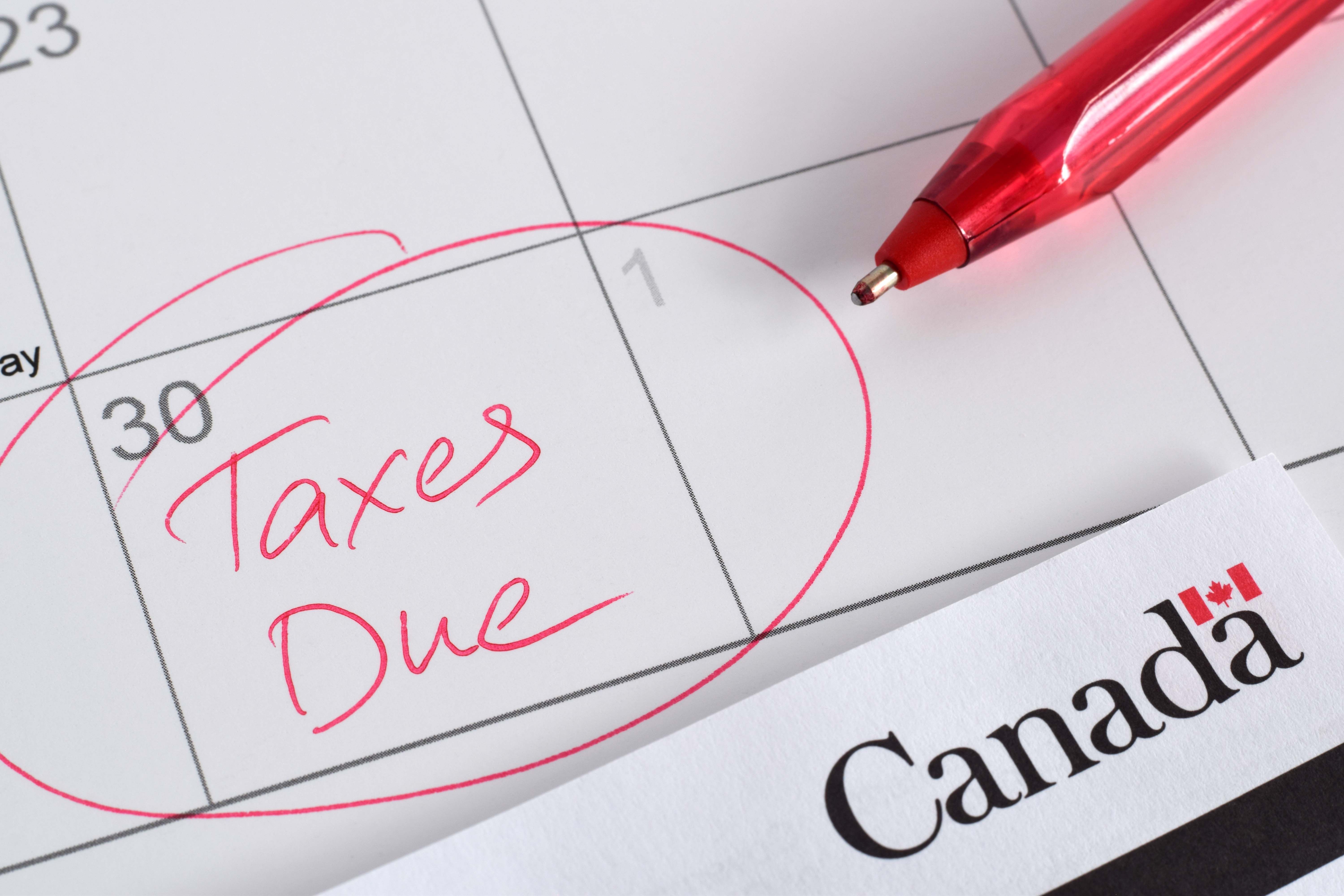
As a small or medium-sized business (SMB) owner in Winnipeg, it’s crucial to have a clear understanding of your tax obligations. Knowing what you owe and when it’s due can prevent unnecessary penalties. Start by familiarizing yourself with the federal, provincial, and municipal tax requirements specific to your business type. Consider consulting a tax professional who can provide guidance tailored to your business.
Keep in mind that taxes can include income tax, payroll tax, and goods and services tax/harmonized sales tax (GST/HST). Each has different filing requirements and deadlines, so make sure you’re organized and prepared well in advance.
Organize Financial Documents
Proper organization of your financial documents is essential for a smooth tax season. Gather all relevant paperwork, including income statements, expense receipts, and bank statements. Having these documents readily available will make the filing process much easier.
Using accounting software can help streamline this process. These tools can track your financial transactions throughout the year, reducing the workload at tax time. Ensure all entries are accurate and up to date before filing.
Utilize Digital Tools
Incorporating digital tools into your financial management can greatly enhance efficiency. Many software solutions offer features like automated categorization of expenses and real-time financial reporting. This can save time and reduce errors, making tax season less stressful.

Take Advantage of Tax Deductions
Maximizing your tax deductions can significantly reduce your tax liability. Common deductions for SMBs in Winnipeg include office expenses, vehicle expenses, and utilities. It’s important to maintain detailed records of all deductible expenses to substantiate your claims.
Don’t overlook lesser-known deductions such as professional development courses or home office expenses if applicable. Properly documenting these can lead to substantial savings.
Plan for Cash Flow
Effective cash flow management is vital for any business, especially during tax season. Ensure you have sufficient funds to cover any tax liabilities without disrupting your regular business operations. Consider setting aside a portion of your earnings throughout the year specifically for taxes.

Forecasting your tax obligations can also provide a clearer picture of your financial standing. This proactive approach allows you to anticipate potential cash shortages and take corrective action well in advance.
Seek Professional Help
If managing your taxes feels overwhelming, don’t hesitate to seek professional assistance. Hiring an accountant or tax advisor can provide peace of mind and ensure that your taxes are filed accurately and on time.
These professionals can also help identify additional savings opportunities and ensure compliance with all regulations. Investing in expert advice can be a wise decision that pays off in the long run.

Review and Reflect
Once tax season is over, take the time to review the process and identify areas for improvement. Reflecting on what worked well and what didn’t can help you better prepare for the next tax season. Consider implementing any necessary changes to your financial management practices.
By staying organized and informed, you can make tax season a less daunting experience for your SMB in Winnipeg.